The 4-day executive offsite in Phuket as a working tool, not a reward
The best leadership offsites we host don't feel like rewards. They feel like the cleanest three days of work the team has done all year. The shape that makes that possible.
Lara · Founder, Lara
· Updated
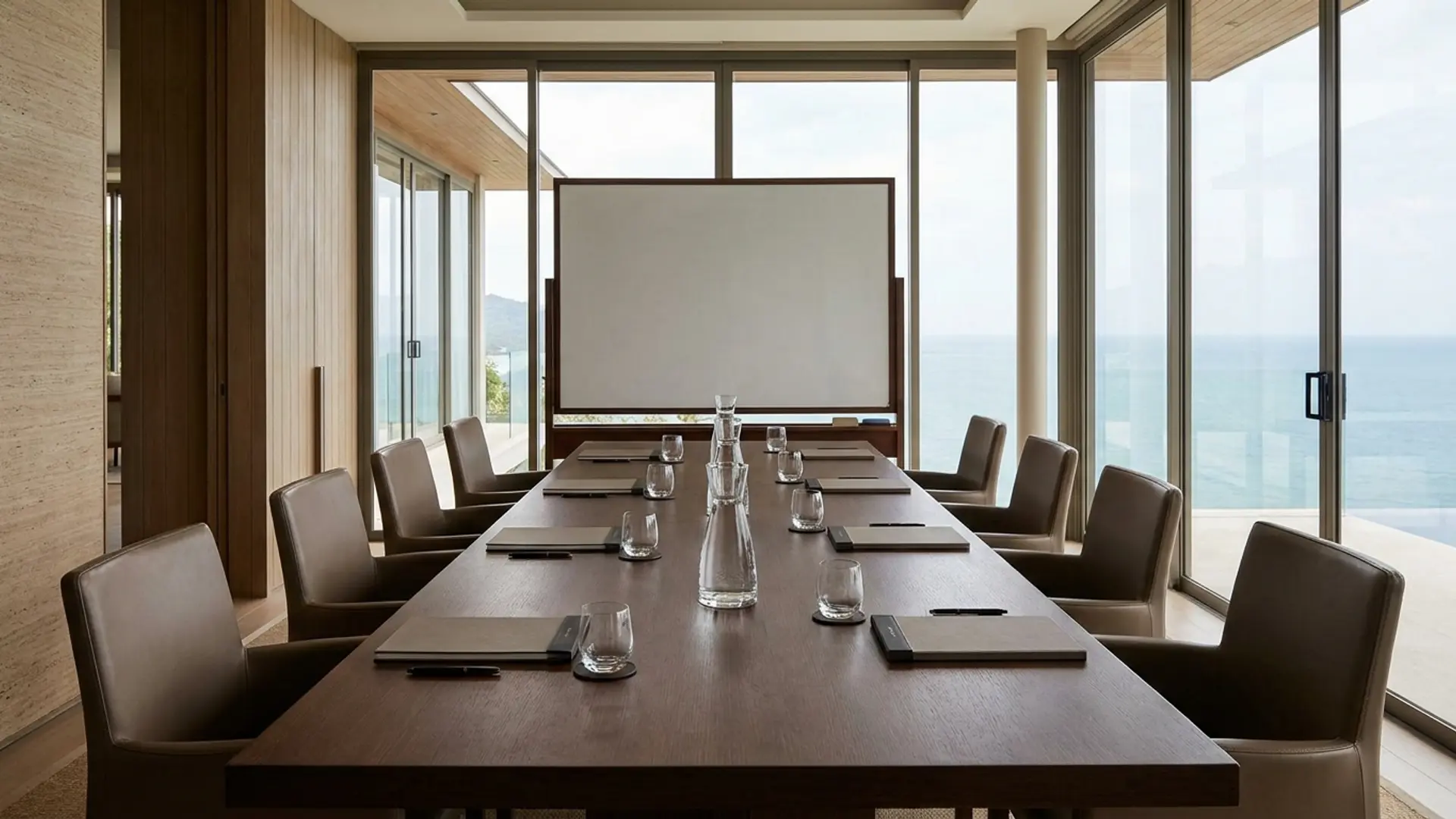
Most executive offsites in Thailand are sold as rewards. The brief lands in our inbox as a four-day stay at a beach villa with a chef, a yacht, and one half-day session that will be set aside for a strategy conversation that nobody really expects to happen.
That shape produces a good holiday and a forgettable offsite. The conversation does not happen because the room is not built for it. The team flies home with a tan and the same open questions they came with.
The reward-offsite is the wrong shape
The reward shape is built around the evenings. Big dinners, late nights, full schedules of activity — the kind of week that produces a group photo and a tired flight home. Nothing in the structure of that week is designed to make a room talk honestly.
By the time the team sits down for the strategy session, it is the third afternoon, half the room is hungover, and the most senior person in the group has decided the conversation can wait until the next quarterly. It always can.
Dinner is a table for twelve at a loud restaurant on Surin Beach. The conversation splits into small, safe pairs.
The next morning starts with sunglasses at the breakfast table. No one mentions the quiet questions from the day before.
What a working offsite looks like
A working offsite is built around one thing: the second morning. Day one is arrival, dinner, and an early night. Day two opens with a slow breakfast, a single working session from 9am to 12:30pm, and a long lunch where the conversation continues quietly.
Day three is the close — a half-day session in the morning, departure that afternoon. Three nights, two real working windows, one quiet evening per day. Nothing in the schedule competes with the room.
Why the setting carries half the weight
The setting does work that the agenda alone cannot. A villa pavilion with a long table, a sea view, and one staff member visible at any time gives a group permission to say things that they would not say in a hotel boardroom in Singapore.
The meeting is the same meeting. The room is what changes the room.
The agenda we actually recommend
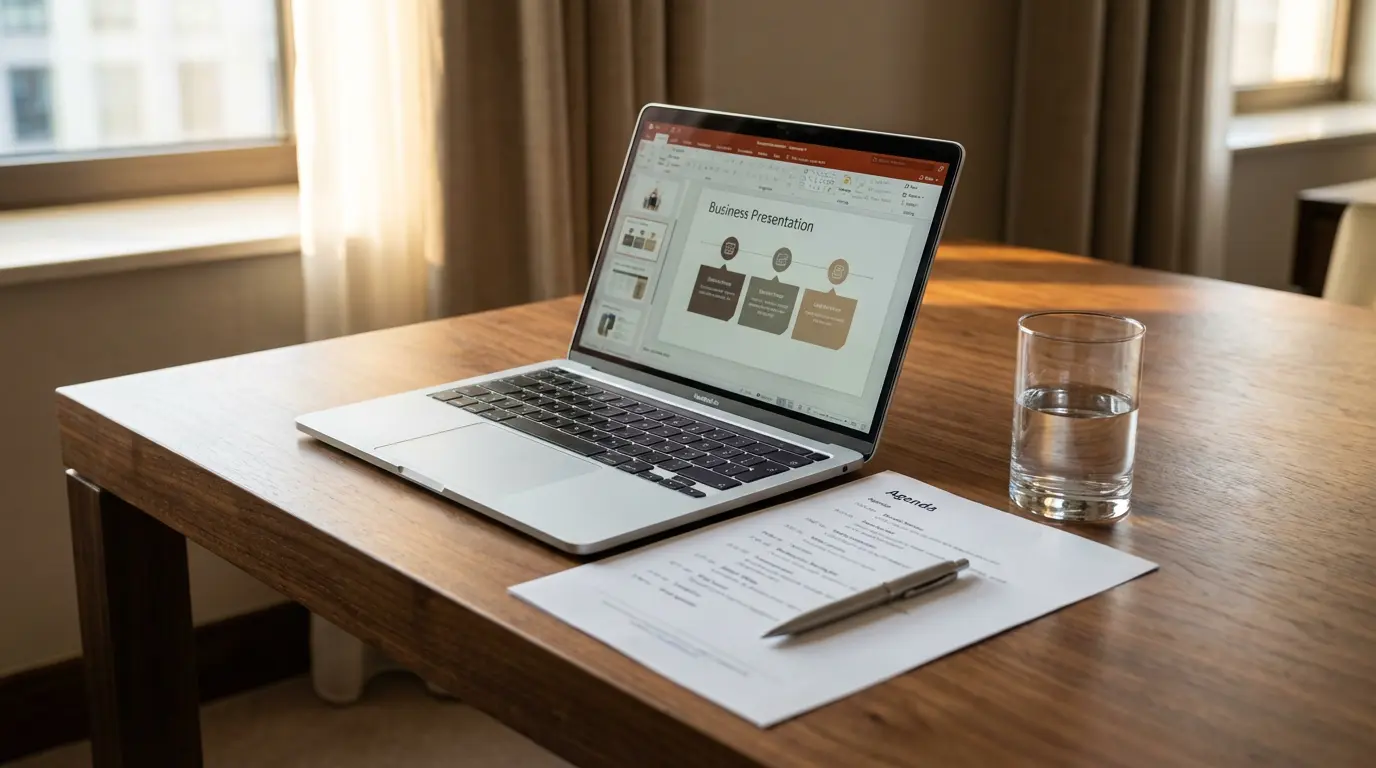
The agenda we recommend is short. Day two morning is one open question — the question the founder or chair has been carrying — held in the room for three hours with a light structure. Day three morning is the synthesis: what changes, who owns it, what the next ninety days look like.
Everything else is removed. There is no breakout group, no whiteboard exercise, no facilitator slot. The room is the facilitator.
What the villa does that a hotel cannot
A hotel forces the group through public spaces — the lobby on the way to breakfast, the lift, the pool deck shared with conference traffic from another company. Each of those interruptions resets the room.
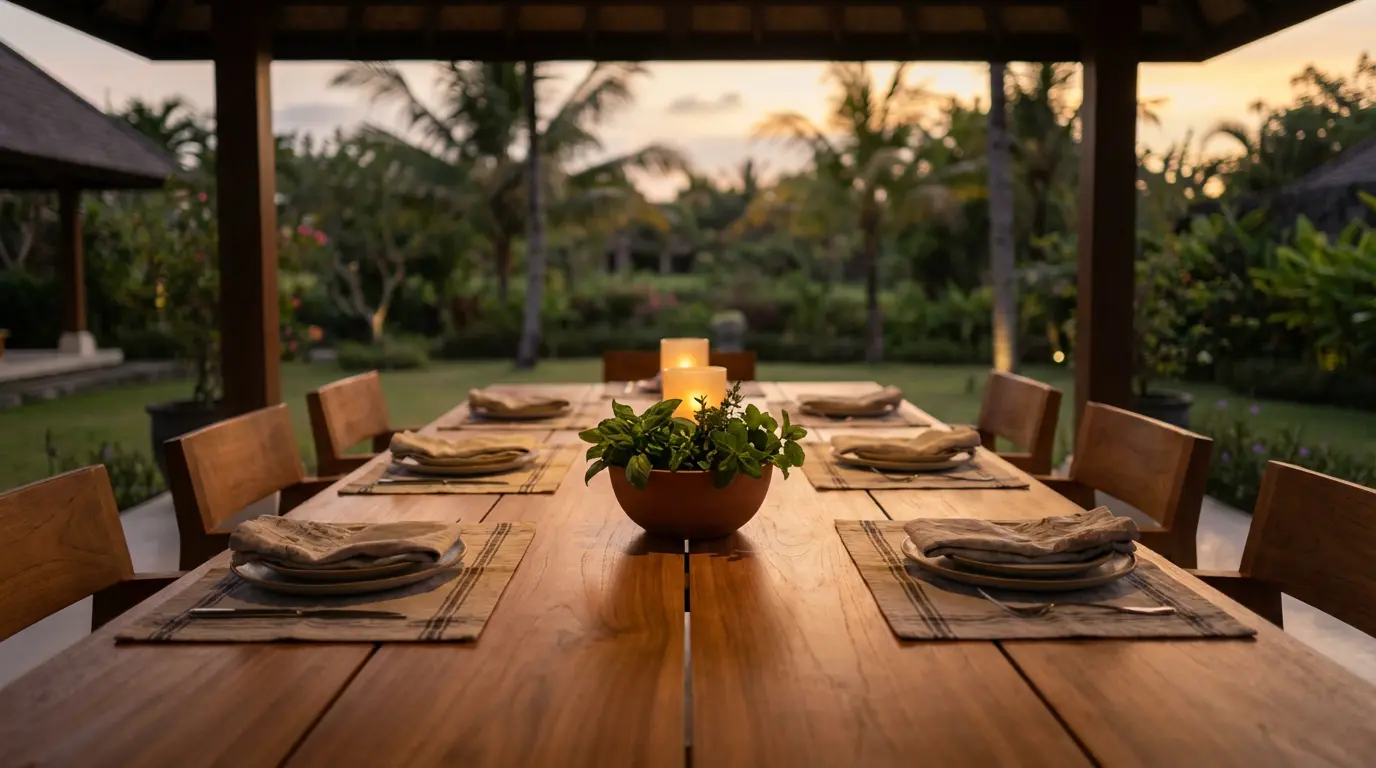
A villa removes them. The group eats on the same deck where they meet, walks the same path between session and pool, and never crosses an unfamiliar face. Three days of that, and the room becomes one continuous conversation.
The villa also lets the host control food and timing the way a hotel cannot. Lunch arrives when the session ends. Coffee appears halfway through the morning without anyone needing to ask.
The Amanpuri lobby is quiet, but it is still a shared space. You walk past another group checking out. The spell is broken.
At a villa on Natai Beach, the pool is private. The walk from your chair to the water is ten steps. No one else is there.
The closing pattern
The closing pattern is the part most groups skip. The last evening is held quietly — small dinner, no late drinks, an early sleep. The morning of departure is a thirty-minute coffee on the deck, a clean handshake, and a car to the airport that is already staged.
That ending is what makes the team carry the work back to the office. They land into a Monday that already has the next ninety days in it, and the offsite stops being a memory and starts being a document.
The chef prepares a simple green curry. No second bottle of wine is opened. The night ends before 10pm.
The car to HKT is cool and clean. The driver does not talk. The quiet holds all the way to departures.
If you are designing the next executive offsite for a small leadership group in a private villa, send us the brief and we will return a draft schedule.
The shape of the week is held in place by the network.
Continue with