How we book the 6 Bangkok tables nobody else can
Three of Bangkok's best rooms don't take reservations from the public. Here is how we get a table — and why the answer is much less glamorous than it sounds.
Lara · Founder, Lara
· Updated
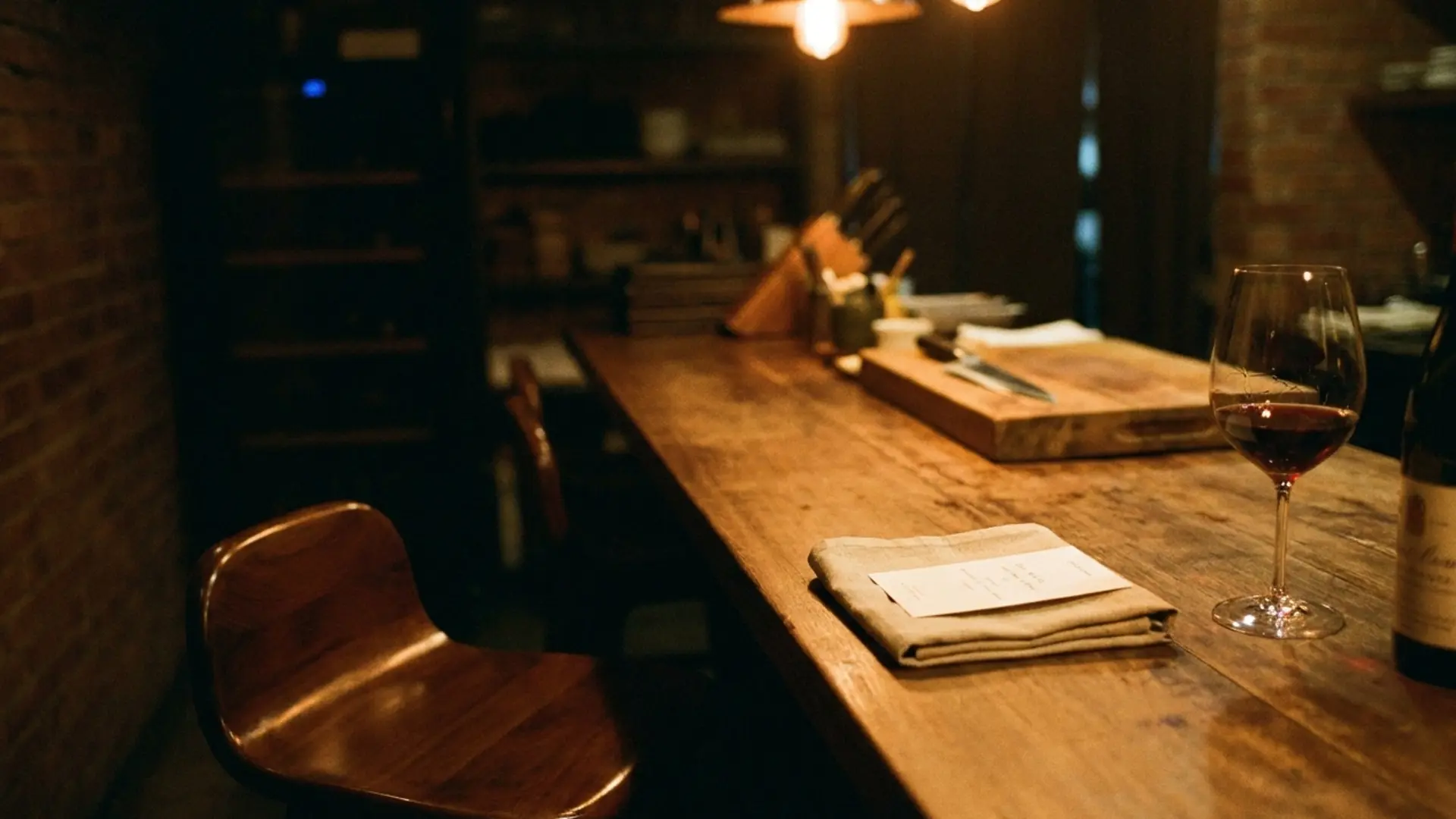
Three of the best rooms in Bangkok do not take reservations from the public. There is no website, no phone line, no booking concierge. You either know somebody who can call, or you eat somewhere else.
We get tables at all three on most nights, including Saturdays in high season, and the answer to how is much less glamorous than the question implies.
The rooms in question
The three rooms we are most often asked about are the back kitchen at Sühring, the founders' table at Le Du, and the unmarked sake bar above a small Aoyama restaurant on Sukhumvit Soi 39. Each one seats between four and eight. Each one is run by a chef-owner who lives in the city and prefers not to deal with the volume of public reservations a website would generate.
There are perhaps a dozen more rooms like these in the city — private dining at hotels does not count, because those are simply unlisted versions of the public rooms. The ones that interest us are the ones where the chef cooks for the table personally because they know the host.
The mechanic is not who you know
The mistake people make is assuming the booking is a who-you-know problem. It is not.
There are perhaps two hundred people in the city who know the relevant chef-owners socially. Almost none of them can get a table on a Saturday in February, because they only call when they want one — and the chef can tell.
The mechanic is reciprocity, and it runs the other direction from what people imagine. We get tables because we have spent years sending the right kind of guest to those rooms when we did not have a personal interest in the booking. The introduction is the deposit; the booking, much later, is the withdrawal.
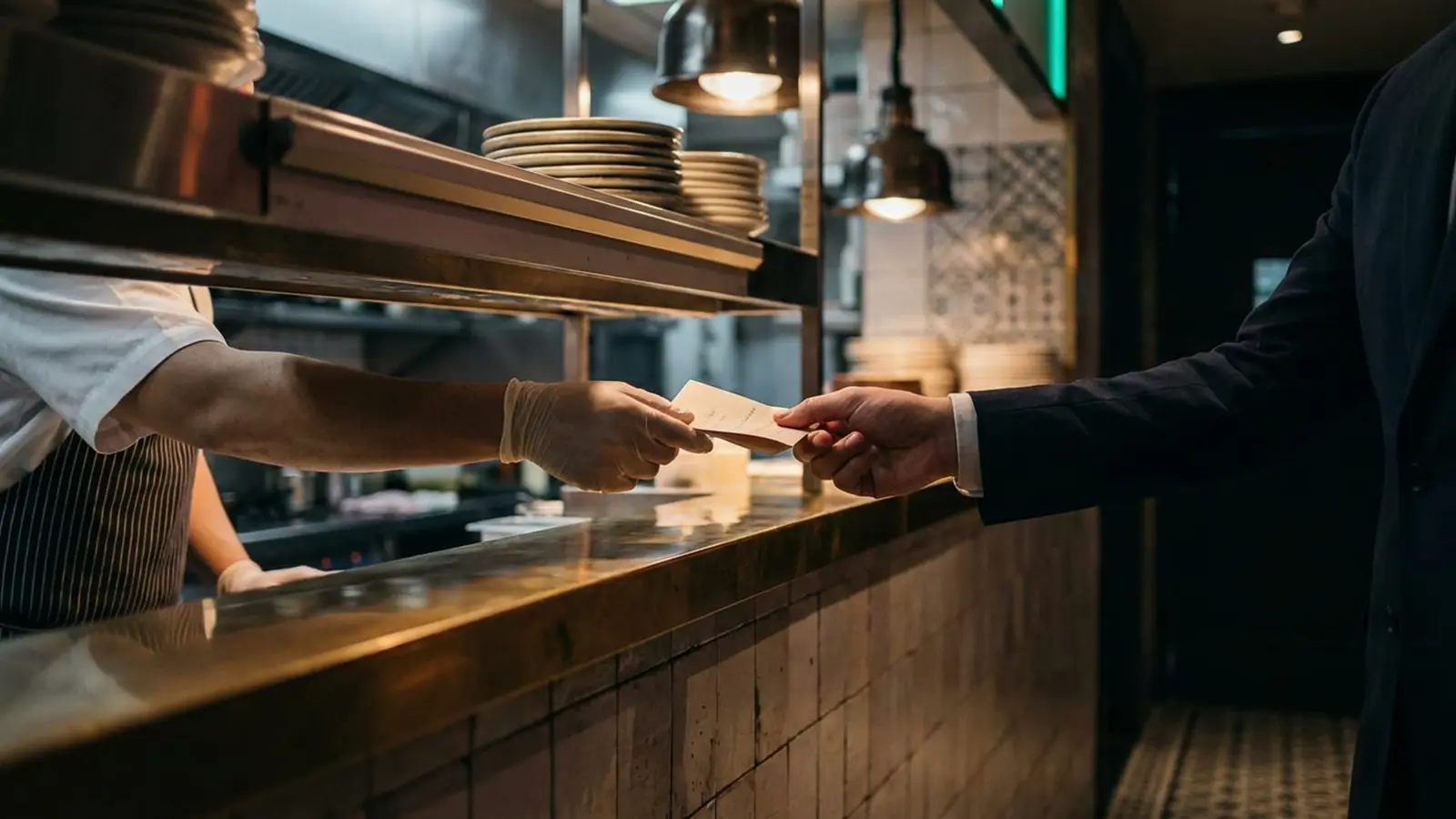
What "the right kind of guest" actually means
A chef-owner who cooks for eight people personally is not optimising for revenue. They are optimising for the room they want to feed in. The wrong guest — too loud, photographing the food, asking for substitutions, leaving in under two hours — costs them more than the cover charge can compensate for.
The right guest, in their definition, is one who arrived knowing the menu was set, ate it without comment, said something specific about a dish at the end, and left a note for the kitchen. We brief our guests on exactly this before they sit down, and the brief is the reason the rooms hold open for us.
The booking call
When we do call, the call itself is short and specific. Day, time, headcount, dietary, the host's name, and one sentence about why this particular table tonight.
No flattery, no implied favour, no "any chance you could…". The chef wants the same operational information they would want from any booking they trust.
The reservation is confirmed in a single message. If the answer is no — and sometimes it is — there is no negotiation; the chef has reasons we do not need to know, and pushing back is exactly the behaviour that empties the credit. We try a different room.
Why the system holds up
The credit system holds up because every introduction either deposits or withdraws. There is no neutral booking. The chef knows our guests by the experience they had a year ago, and the booking we make tonight is priced against that history.
This is also why the same arrangement does not exist on a website. A booking platform optimises for filling the room. The chef-owners we are talking about are optimising for who is in the room, which is a fundamentally different problem and one that no software has solved.
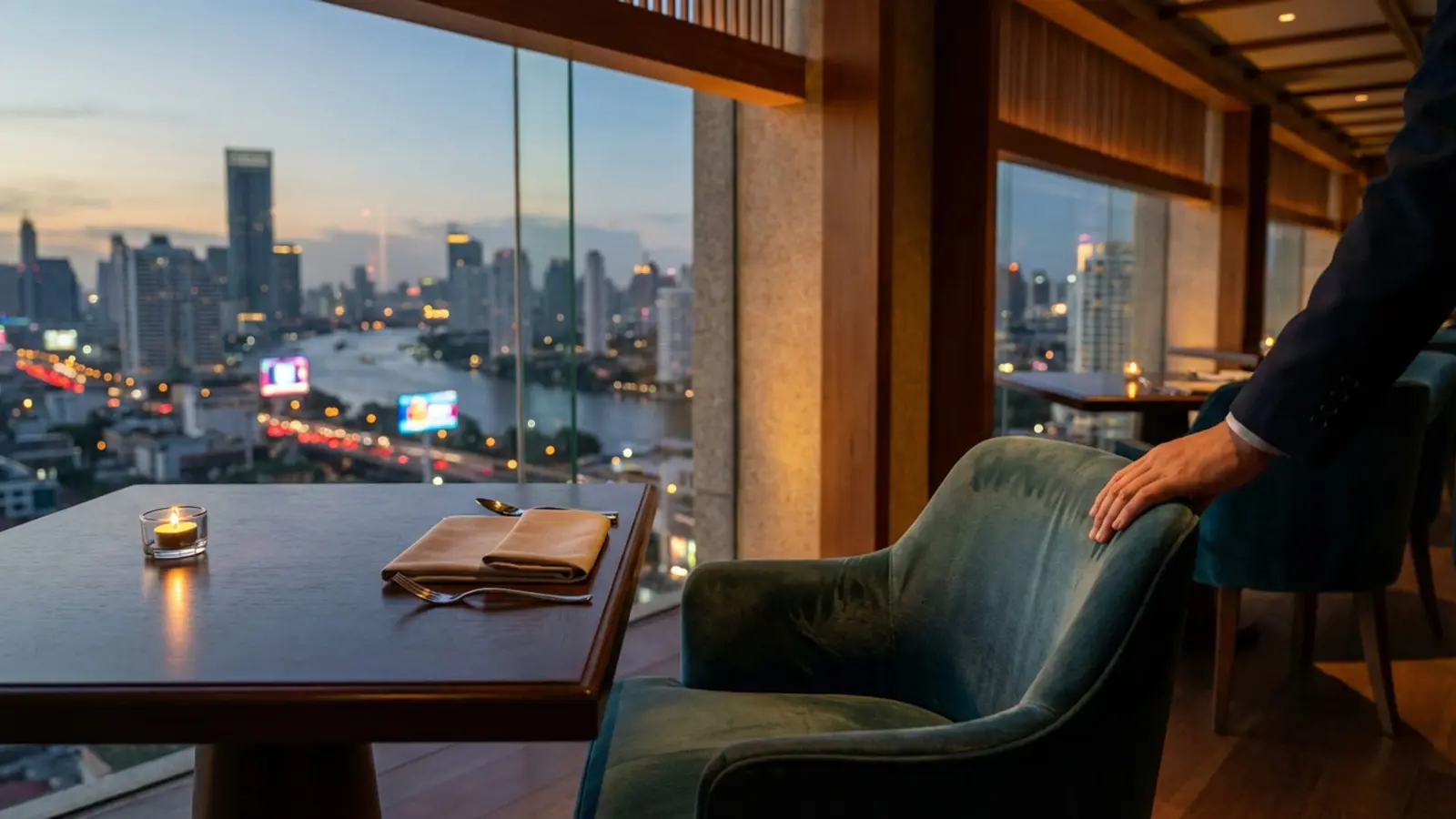
What clients should not assume
Clients sometimes assume that the relationship means we can promise the table on demand. We cannot, and we do not. Roughly one Saturday in five we get a no, and on those nights the alternative we offer is a different unlisted room, not a worked-around version of the same one.
Clients also assume the booking is the favour. It is not. The favour, the part the chef cares about, is the brief we give the guest before they sit down — because that brief is the reason the table behaved well, and behaving well is the only currency that buys the next booking.
The reason this is not glamorous
The honest answer is that the rooms are bookable because we have spent years sending well-briefed guests to chefs who cook for the table, and we have politely declined favours that would have spent the credit faster than we earned it.
Which is why the rooms are still worth caring about. They are unbookable in the sense that matters — and that is the only reason they have stayed the way they are.
If there is a private dining room in Bangkok you have been told you cannot have, tell us the table and we will work the network on your behalf.